
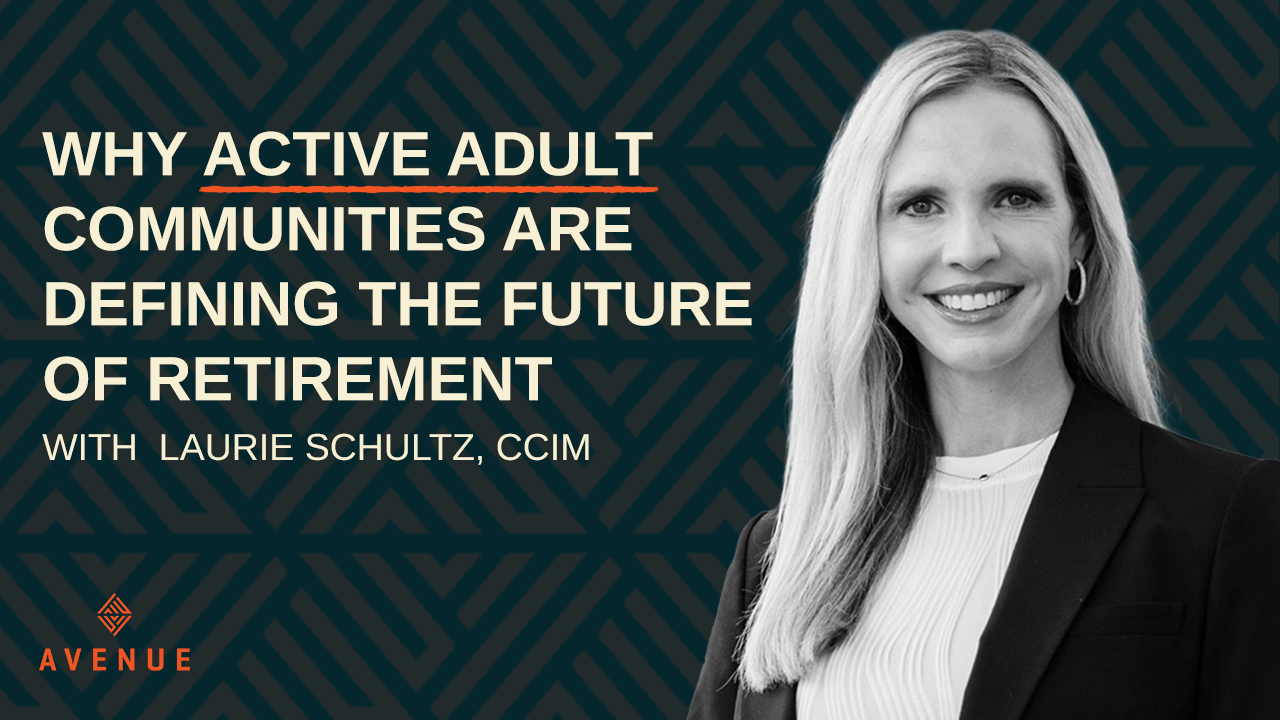
Retirement is no longer a static milestone defined by stepping away from work and slowing down. It is becoming a more intentional and dynamic phase of life shaped by wellness, autonomy, and experience. Across the country, active adult communities are emerging as one of the clearest expressions of that shift.
What makes this category so significant is not just that it offers a different housing option. It reflects a deeper change in how people want to live as they age, how healthcare systems are responding to long-term cost pressures, and how real estate is evolving to meet the expectations of a generation that refuses to be defined by outdated models of aging. At Avenue Development, this evolution is already visible in how communities like Viva Bene are being designed and experienced.

A Generation That Is Reshaping the Rules of Retirement
The Boomer generation is fundamentally different from those that came before it. They are entering this stage of life with higher expectations, greater awareness of health and wellness, and a much more defined sense of what quality of life should look like. As Laurie explains, “I like to call active adult what I call ‘boomer housing.’ And I think that speaks to the demographic that we’re targeting. The Boomer generation is very discerning. They are unlike the generation before them.”
That distinction is important because it changes the entire foundation of what retirement housing needs to be. This is the first generation that is not simply accepting what aging looks like in a built environment. Instead, they are actively shaping it. They want customization, not standardization. They want curated experiences, not generic amenities. And they want wellness and longevity to be part of everyday life, not something addressed only when health begins to decline.
Laurie puts it clearly when she says this generation understands wellness in a different way, describing it as the shift from healthspan to lifespan. That mindset is directly influencing what active adult communities are becoming. Rather than feeling like a step down from previous living arrangements, these communities are being designed as an upgrade in how life is lived.
Preventive Health Is Changing the Role of Residential Communities
At the same time that consumer expectations are evolving, healthcare systems are facing their own structural challenges. A significant portion of healthcare spending is concentrated among a relatively small percentage of the population, often driven by chronic conditions that have progressed over time without early intervention.
Even as the industry shifts toward value-based care, much of the focus remains on treating conditions after they develop rather than preventing them in the first place. Laurie highlights this gap directly, noting that while healthcare leaders are actively working to improve efficiency and outcomes, preventative care is still not fully integrated into the system in a meaningful way.
This is where active adult communities introduce a fundamentally different approach. Instead of separating healthcare from daily living, they create environments where wellness is embedded into the residential experience itself. That includes opportunities for movement, education, social connection, and proactive health engagement, all within the same ecosystem.
The impact is significant. These communities have the potential to reduce long-term healthcare strain by supporting earlier intervention and healthier daily habits, while also improving the quality of life for residents who are not yet in need of traditional care environments. It is a shift from reactive systems to proactive living, and it represents one of the most promising intersections between real estate and healthcare today.
Why This Model Is Resonating Across Both Residents and Investors
The rise of active adult communities is not being driven by a single factor. It is being driven by alignment between what residents want and what investors are beginning to recognize as a compelling long-term opportunity.
For residents, the appeal is rooted in freedom. Many are entering this stage of life following major transitions such as retirement, loss of a spouse, or simply a desire to simplify. They are no longer looking for homes that require maintenance and upkeep. They are looking for environments that give them back time and flexibility.
Laurie describes this as noting that residents want options that allow them to live life on their own terms rather than being constrained by homeownership responsibilities or rigid living models. In many cases, active adult communities offer a lower-cost alternative to traditional independent living while still delivering a highly social and engaging environment.
For investors, the appeal looks different but is equally strong. Active adult communities are typically less operationally complex than traditional senior housing. They require fewer clinical resources, lower staffing intensity, and create reduced exposure to high-acuity care risk. That combination of strong demand, favorable demographics, and operational efficiency has positioned active adult as one of the most attractive emerging categories in residential development.
How Viva Bene Reflects Where the Industry Is Headed
Viva Bene represents an important step forward in how active adult communities are being reimagined. Rather than separating housing and healthcare, it brings them together into a single proactive living model focused on wellness, connection, and daily support. As Laurie describes it, Viva Bene is designed as a community that prioritizes proactive living rather than reactive care. It blends the social and lifestyle foundation of active adult living with a more intentional focus on preventative health.
What has evolved through operating this model is a deeper understanding of what health actually means to residents. It is not limited to access to primary care. It extends into education, movement, and daily support systems that help people stay engaged in their own well-being. Residents have expressed a strong desire for education around health and wellness, not in a clinical sense, but in a practical, everyday sense that helps them understand how to stay well longer. That insight has helped shape programming that is more holistic and more responsive to how people actually experience aging.
From age-appropriate fitness programming and partnerships focused on mobility and longevity, to care coordination models that help residents navigate complex healthcare systems, Viva Bene is designed to bridge gaps that traditionally exist between living environments and healthcare infrastructure. It reflects a broader shift in thinking. Health is no longer something that happens outside the home. It is supported by the place you live.
What the Next Decade will bring
Looking ahead, active adult communities are likely to become even more integrated, more personalized, and more connected to broader healthcare systems. The line between housing and health will continue to blur. Communities will increasingly function as environments that support prevention rather than reaction. Technology will play a larger role in personalization, care coordination, and wellness tracking. And partnerships between developers and healthcare providers will become more common as both industries respond to shared pressures. But perhaps the most important shift will be philosophical. Retirement will no longer be defined by age or limitation. It will be defined by engagement, capability, and choice. Active adult communities are not simply responding to that shift. They are actively shaping it.
The Shift Already Underway
What is emerging is not just a new housing category. It is a new way of thinking about how life can be lived in its later chapters when wellness, independence, and community are designed together rather than separately. That is the future active adult communities are pointing toward. And it is already beginning to take shape today.
Connect with Avenue Development to shape what’s next in active adult living.